The Role of Inspections in Preventing Equipment Failures and Downtime

downtime. By catching issues early, companies can avoid unexpected breakdowns, reduce repair costs, and ensure that their equipment is always operating at optimal levels.

In addition to preventing equipment failures, inspections also contribute to maximizing equipment reliability. Over time, equipment may experience a decrease in performance due to factors such as wear and tear, inadequate maintenance, or aging components. Regular inspections allow maintenance teams to identify and address these issues, ensuring that equipment is properly maintained and functioning at its best. This not only reduces the chances of sudden breakdowns but also extends the lifespan of the equipment, providing long-term cost savings for the company.

Furthermore, inspections are crucial for maintaining a safe working environment. Equipment failures can result in accidents and injuries, posing risks to employees and damaging company property. By conducting regular inspections, potential safety hazards can be identified and resolved promptly, ensuring that a high level of safety is maintained at all times. This not only protects the well-being of employees but also helps to avoid legal and financial consequences for the company.

In conclusion, regular inspections are essential for minimizing equipment failures, reducing downtime, and maximizing equipment reliability. By identifying and addressing issues early on, companies can prevent costly breakdowns, extend the lifespan of their equipment, and maintain a safe working environment. Incorporating inspections into a comprehensive maintenance program is a proactive approach that pays off in terms of operational efficiency, cost savings, and employee safety.
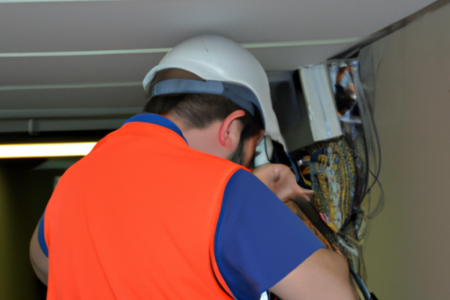
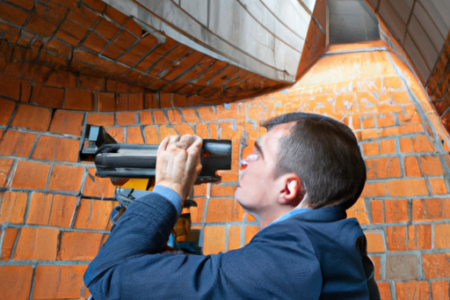
Common Areas that Require Regular Inspections and How to Conduct Them Effectively

Regular inspections of common areas are crucial for ensuring the safety, cleanliness, and functionality of any property. This article emphasizes the importance of inspecting key areas such as hallways, stairwells, parking lots, and recreation areas. It highlights the specific aspects that should be checked in each area, such as damaged handrails in hallways or obstructions on stairs. The article also suggests creating a checklist and utilizing technology to streamline the inspection process and facilitate communication among property management teams. By conducting regular and thorough inspections, property managers can identify and address potential issues promptly, ultimately creating a safe and pleasant environment for residents and visitors.

Best Practices for Building Inspections: Tips for a Thorough Evaluation

When conducting building inspections, it is crucial to follow key steps to ensure effectiveness. Firstly, preparation is essential, including gathering all necessary tools and equipment. Secondly, developing a comprehensive checklist will help ensure no aspects are missed during the evaluation. Thirdly, checking for permits and compliance with building codes ensures legal and safety issues are avoided. Fourthly, examining the exterior and interior of the building, assessing for any signs of damage or structural issues, is important. Evaluating safety features, taking detailed notes, and communicating effectively are also vital. By following these steps, a thorough evaluation can be achieved, contributing to the safety and functionality of the property.

How Inspections Help Identify Potential Health and Environmental Hazards

poor sanitation practices, or equipment malfunctions. By identifying these issues during inspections, authorities can take immediate action to rectify the situation and prevent any potential harm.

Furthermore, inspections play a crucial role in preventing the spread of infectious diseases. Inspectors closely monitor hygiene practices and compliance with health regulations in industries such as food processing, healthcare facilities, and public spaces. By ensuring proper sanitation and adherence to safety protocols, inspections help in reducing the risk of disease outbreaks and protecting public health.

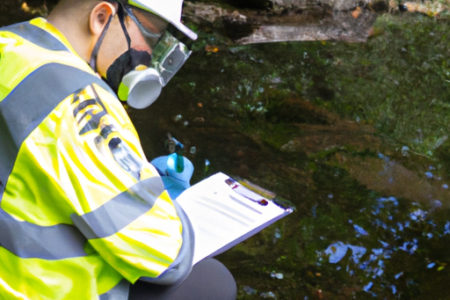
In addition to health risks, inspections also help in safeguarding the environment. Inspectors assess factors such as pollution, waste disposal practices, and adherence to environmental regulations. By identifying and addressing any non-compliance or unsafe practices, inspections contribute to the preservation and sustainability of ecosystems and natural resources.

Overall, regular inspections are essential in safeguarding against potential health and environmental risks. By identifying hazards, ensuring compliance, and taking corrective measures, inspections contribute to the protection of individuals, communities, and the environment.

The Importance of Leak Detection: Protecting Your Home and Saving Money

Regular leak detection is essential for protecting your home and saving money. Undetected leaks can cause extensive damage and compromise the structural integrity of your property. By implementing regular leak detection practices, you can prevent issues such as mold growth and foundation damage, saving you money on repairs. Additionally, leak detection helps reduce water wastage, lowering your water bills and promoting a more sustainable lifestyle. Investing in leak detection services is a small investment with significant returns in terms of financial and environmental benefits.

Detecting Water Leaks: The Role of Technology in Leak Detection

These meters use advanced sensors to monitor water consumption in real-time, allowing for the detection of abnormal usage patterns that may indicate a leak. Additionally, these meters can send alerts to both the homeowner and the utility company, allowing for immediate action to be taken. Another technology that has revolutionized leak detection is the use of moisture sensors. These sensors can be placed in areas prone to leaks, such as basements or near plumbing fixtures, and can quickly detect the presence of moisture. This early detection can help prevent further damage and mold growth. Finally, advancements in data analytics and artificial intelligence have allowed for more accurate and efficient analysis of water consumption data, helping to identify potential leaks and patterns that may not be immediately noticeable. Overall, technology has greatly improved the ability to detect and prevent water leaks, saving both water resources and money for homeowners and businesses.

Leak Detection: Identifying Hidden Water Leaks in Your Plumbing System

is crucial to prioritize leak detection in your plumbing system. Some signs to look out for include increased water bills, checking your water meter, unusual odors or stains, sounds of running water, and wet or damp areas. If you suspect a leak, it is important to seek professional help from a licensed plumber who can efficiently identify, locate, and repair any hidden leaks. Regular maintenance and proactive measures can also help prevent costly repairs and water damage in the long run. Overall, leak detection is vital for safeguarding your plumbing system and ensuring the longevity and efficiency of your home.

The Benefits of Early Leak Detection: Preventing Costly Water Damage

escalating into a larger problem. This not only saves you money on costly repairs but also helps protect your property’s structural integrity and maintain a healthy living or working environment.

Another advantage of early leak detection is the ability to prevent mold and mildew growth. Moisture from water leaks creates the perfect breeding ground for these harmful microorganisms, which can have detrimental effects on your health and the indoor air quality. By catching leaks early and addressing them promptly, you can prevent the growth of mold and the need for expensive mold remediation services.

Early leak detection also helps to conserve water and reduce your water bills. Even a small, unnoticed leak can waste a significant amount of water over time, leading to unnecessary expenses. By detecting leaks early on, you can minimize water wastage and ensure that you are only paying for the water you actually use.

Lastly, implementing an early leak detection system is a proactive step towards protecting your property and ensuring its long-term sustainability. By addressing leaks promptly, you are not only preventing immediate damage but also preserving your property’s value and reducing the need for major repairs in the future.

In conclusion, early leak detection is crucial for saving money on water damage repairs, preventing mold growth, conserving water, and protecting your property. By implementing measures such as regular inspections, installing leak detection devices, and staying vigilant for signs of leaks, you can minimize the financial and structural impact of water damage and ensure the long-term health and sustainability of your property.

Advanced Leak Detection Techniques: Exploring New Technologies and Methods

the smallest leaks in pipelines, storage tanks, and other infrastructure. They can continuously monitor for changes in pressure, temperature, and other parameters, quickly alerting operators to any potential leak. This real-time monitoring allows for immediate action to be taken, minimizing the risk of environmental damage and reducing downtime. Additionally, these advanced sensors can be integrated with data analytics platforms, enabling predictive modeling and proactive maintenance to prevent leaks before they occur. Another innovative method being explored is the use of acoustic leak detection. By analyzing the sound waves emitted by leaking fluids, advanced algorithms can pinpoint the location of a leak with high accuracy. This method is particularly useful in industries where leaks are difficult to detect visually or are hidden underground. Overall, the future of leak detection looks promising, with advanced sensors, monitoring systems, and acoustic detection methods paving the way for more efficient and cost-effective solutions. By adopting these cutting-edge technologies, industries can significantly reduce the environmental impact of leaks, protect their assets, and improve operational efficiency.

Leak Detection 101: Understanding the Signs and Causes of Water Leaks

leaks is crucial in preventing further issues. Common signs of water leaks include increased water bills, changes in water meter readings, damp or discolored walls and ceilings, musty odors, and low water pressure. These signs should be promptly investigated to identify the source of the leak. The causes of water leaks can vary, but some common factors include aging or corroded pipes, high water pressure, improper installation or maintenance, foundation movement, and extreme temperature changes. By being aware of these signs and causes, homeowners can take preventive measures and address water leaks before they result in significant damage and costly repairs.