Leak Detection: Identifying Hidden Water Leaks in Your Plumbing System

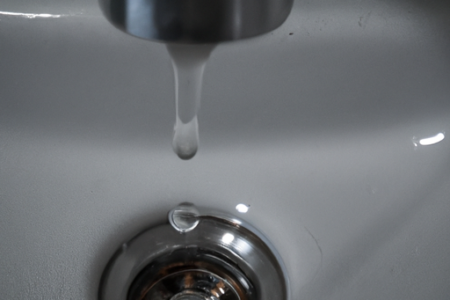
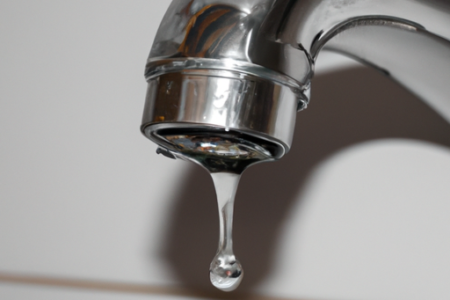
is crucial to prioritize leak detection in your plumbing system. Some signs to look out for include increased water bills, checking your water meter, unusual odors or stains, sounds of running water, and wet or damp areas. If you suspect a leak, it is important to seek professional help from a licensed plumber who can efficiently identify, locate, and repair any hidden leaks. Regular maintenance and proactive measures can also help prevent costly repairs and water damage in the long run. Overall, leak detection is vital for safeguarding your plumbing system and ensuring the longevity and efficiency of your home.

The Benefits of Early Leak Detection: Preventing Costly Water Damage

escalating into a larger problem. This not only saves you money on costly repairs but also helps protect your property’s structural integrity and maintain a healthy living or working environment.

Another advantage of early leak detection is the ability to prevent mold and mildew growth. Moisture from water leaks creates the perfect breeding ground for these harmful microorganisms, which can have detrimental effects on your health and the indoor air quality. By catching leaks early and addressing them promptly, you can prevent the growth of mold and the need for expensive mold remediation services.

Early leak detection also helps to conserve water and reduce your water bills. Even a small, unnoticed leak can waste a significant amount of water over time, leading to unnecessary expenses. By detecting leaks early on, you can minimize water wastage and ensure that you are only paying for the water you actually use.

Lastly, implementing an early leak detection system is a proactive step towards protecting your property and ensuring its long-term sustainability. By addressing leaks promptly, you are not only preventing immediate damage but also preserving your property’s value and reducing the need for major repairs in the future.

In conclusion, early leak detection is crucial for saving money on water damage repairs, preventing mold growth, conserving water, and protecting your property. By implementing measures such as regular inspections, installing leak detection devices, and staying vigilant for signs of leaks, you can minimize the financial and structural impact of water damage and ensure the long-term health and sustainability of your property.
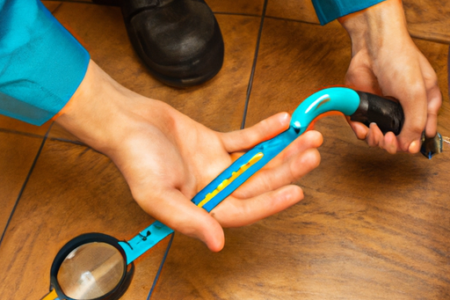
Advanced Leak Detection Techniques: Exploring New Technologies and Methods

the smallest leaks in pipelines, storage tanks, and other infrastructure. They can continuously monitor for changes in pressure, temperature, and other parameters, quickly alerting operators to any potential leak. This real-time monitoring allows for immediate action to be taken, minimizing the risk of environmental damage and reducing downtime. Additionally, these advanced sensors can be integrated with data analytics platforms, enabling predictive modeling and proactive maintenance to prevent leaks before they occur. Another innovative method being explored is the use of acoustic leak detection. By analyzing the sound waves emitted by leaking fluids, advanced algorithms can pinpoint the location of a leak with high accuracy. This method is particularly useful in industries where leaks are difficult to detect visually or are hidden underground. Overall, the future of leak detection looks promising, with advanced sensors, monitoring systems, and acoustic detection methods paving the way for more efficient and cost-effective solutions. By adopting these cutting-edge technologies, industries can significantly reduce the environmental impact of leaks, protect their assets, and improve operational efficiency.

Leak Detection 101: Understanding the Signs and Causes of Water Leaks

leaks is crucial in preventing further issues. Common signs of water leaks include increased water bills, changes in water meter readings, damp or discolored walls and ceilings, musty odors, and low water pressure. These signs should be promptly investigated to identify the source of the leak. The causes of water leaks can vary, but some common factors include aging or corroded pipes, high water pressure, improper installation or maintenance, foundation movement, and extreme temperature changes. By being aware of these signs and causes, homeowners can take preventive measures and address water leaks before they result in significant damage and costly repairs.

Mansard Roof Restoration: Preserving the Beauty of Historic Architecture

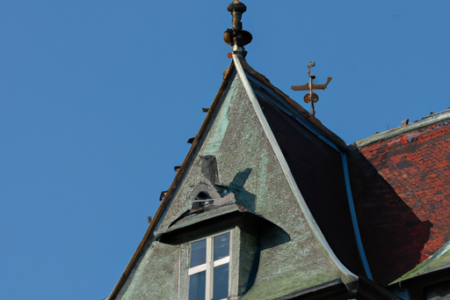
Mansard roof restoration is crucial for preserving the historical significance and architectural integrity of buildings with this unique style. It helps maintain the authenticity and aesthetic appeal of these structures, reflecting the architectural trends of their time. Restoration also enhances the overall beauty of a building and contributes to its sustainability by providing insulation and protection. Skilled craftsmen are essential for the meticulous work involved in restoring these roofs. By carefully restoring and maintaining Mansard roofs, we can ensure that historic buildings continue to stand as a testament to our architectural heritage.

The Secrets Behind Successful Roof Construction: Tips and Best Practices

Proper roof design is crucial for ensuring the longevity, durability, and overall performance of a building. Factors such as climate, building usage, structural integrity, aesthetics, and energy efficiency must be considered. Different climates require specific materials, slope angles, and insulation. The intended use of the building will determine additional features needed, such as skylights for residential properties or HVAC systems for commercial facilities. Structural integrity is essential for supporting the roof’s weight and any additional loads. Aesthetics play a significant role in complementing the building’s architectural style. Lastly, energy efficiency is important for reducing costs and minimizing the building’s carbon footprint. Overall, considering these key factors and following best practices will lead to successful roof construction projects.

The Evolution of Roof Construction: From Traditional Methods to Modern Innovations

Traditional roof construction methods have a rich history, with different techniques used throughout ancient civilizations. The Egyptians utilized a post and lintel construction method, while Greece and Rome predominantly employed the truss system. In the Middle Ages, timber frame construction became prevalent in Europe, with roofs covered in thatch or wooden shingles. The Industrial Revolution brought advancements such as iron and steel, leading to stronger roofs. In recent decades, lightweight materials and innovative techniques have revolutionized roof construction, incorporating sustainability and energy efficiency. The evolution of roof construction demonstrates continuous improvement and human ingenuity.

Innovative Roof Construction Techniques: Modern Solutions for Today’s Builders

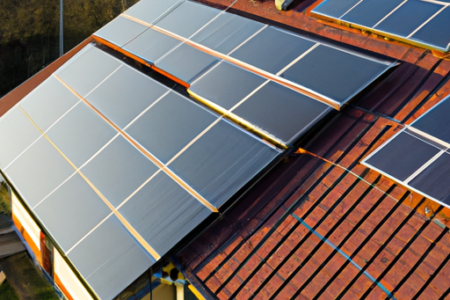
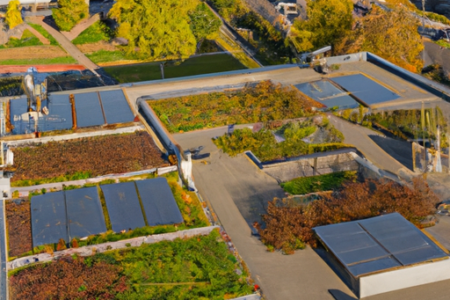
Roof construction techniques have significantly advanced in recent years, offering innovative solutions for today’s builders. The focus on energy efficiency and environmental sustainability has driven the adoption of eco-friendly options such as solar panels and green roofs. Integrating solar panels into the roof allows for clean energy generation without compromising the building’s aesthetics. Green roofs, covered with vegetation, contribute to stormwater reduction, insulation, and improved air quality. Furthermore, advancements in lightweight and durable materials, like engineered trusses and prefabricated roof panels, have made construction faster and more efficient. Advanced membranes and coatings enhance waterproofing capabilities and minimize water damage. Embracing these modern solutions not only fulfills the current demands of the industry but also contributes to a greener and more sustainable future.

A Comprehensive Guide to Roof Construction: Materials, Techniques, and Maintenance

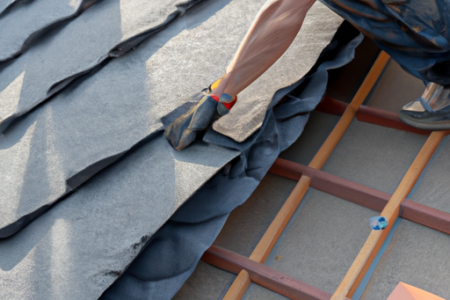
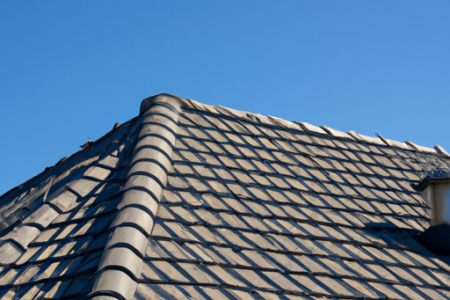
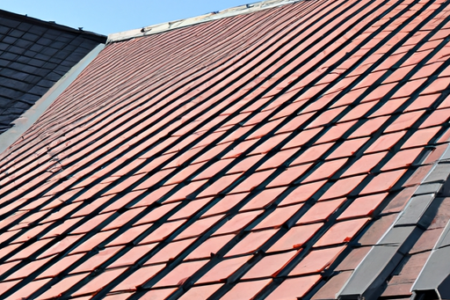
Introduction to Roof Construction: Exploring the Materials and Techniques is an informative article that highlights the importance of choosing the right materials and construction techniques for a durable and effective roof. It discusses the most commonly used roofing materials such as asphalt shingles, metal roofing, clay tiles, and slate, and highlights their unique features and considerations. The article also delves into the construction techniques involved, including framing, underlayment, flashing, and ventilation, which play a crucial role in the longevity and performance of a roof. Additionally, the article emphasizes the significance of regular maintenance and inspections to ensure the roof’s continued functionality. Overall, this article provides valuable insights for anyone undertaking a roofing project or seeking to understand more about roof construction.

The Importance of Proper Roof Construction Techniques: Ensuring Strength and Longevity

Understanding the fundamentals of proper roof construction is crucial for ensuring the strength and longevity of a building’s roof. Roof construction techniques play a vital role in protecting a structure from external elements, and by implementing the right techniques, homeowners and building owners can prevent costly repairs and extend the lifespan of their roofs. Key elements of proper roof construction include structural integrity, proper ventilation, waterproofing, and choosing appropriate roof covering materials. Engaging professional roofing contractors who are well-versed in proper roof construction techniques is also crucial. By understanding these key elements and utilizing quality materials, homeowners and building owners can enjoy the benefits of a reliable and durable roof for years to come.