Exploring the Properties of Modern Materials

various environmental factors, such as temperature, pressure, and humidity, scientists can determine how they perform in real-world applications. This information is crucial in industries like construction and transportation, where materials need to withstand a wide range of conditions. Understanding the behavior of materials in extreme environments also helps in developing protective coatings and materials for applications in space exploration and renewable energy.

Furthermore, investigating the applications of advanced materials involves studying their potential uses in various fields. From healthcare to energy, materials with specific properties can greatly impact the effectiveness and efficiency of devices and systems. For example, the development of biocompatible materials has revolutionized medical implants and prosthetics, allowing for better integration with the human body. Similarly, the discovery of new materials with enhanced energy storage capabilities has led to advancements in batteries and renewable energy technologies.

Moreover, exploring the applications of advanced materials involves testing their performance in different manufacturing processes. By understanding how materials interact with production techniques like 3D printing or nanofabrication, scientists and engineers can optimize these processes to achieve desired results. This can lead to faster production, reduced waste, and improved overall manufacturing efficiency.

In conclusion, investigating the applications of advanced materials is essential for staying at the forefront of technological advancements. By exploring the unique properties, behaviors, and potential uses of these materials, scientists and researchers can contribute to numerous industries and pave the way for groundbreaking innovations. From aerospace and electronics to healthcare and energy, advanced materials have the potential to shape our future in countless ways.

The Importance of Proper Gutter System Design for Home Maintenance

When designing a proper gutter system for home maintenance, there are several key factors to consider. Firstly, the size and capacity of the gutters should be chosen based on the average rainfall in your area to prevent overflow and potential damage. The pitch or slope of the gutter system is also important to ensure smooth water flow towards the downspouts and prevent pooling. Choosing the right material for your gutters, such as aluminum or copper, is crucial for durability, maintenance, and aesthetics. Installing gutter guards can greatly enhance the efficiency of your system by preventing debris from clogging the gutters. Finally, strategically placing downspouts to divert water away from the foundation is necessary to prevent water accumulation and potential damage. Overall, a well-designed gutter system is vital for home maintenance as it protects against water damage and maintains the integrity of your property.

A Comprehensive Guide to Choosing the Right Gutter System Design

damage. There are several important factors to consider when deciding on a gutter system design, including the material, style, size, maintenance requirements, and the need for professional installation. Each factor has its own significance and should be carefully evaluated to ensure the best choice for your specific home and climate. By taking these factors into consideration, you can select a well-designed gutter system that will effectively protect your home, prevent costly damage, and maintain its value in the long run.

Essential Factors for Effective Gutter System Design

preventing water damage and maintaining the structural integrity of the property. There are several key elements to consider when designing a successful gutter system. Firstly, the size and capacity of the gutters are vital to handle different volumes of rainwater effectively. Oversized gutters may not effectively channel smaller amounts of water, while undersized gutters can easily get overwhelmed during heavy rainfall. The placement and positioning of the gutters are also crucial factors to ensure proper drainage towards the downspouts and to capture the maximum amount of water runoff. Furthermore, installing a gutter guard or leaf protection system helps prevent debris from clogging the gutters, reducing the need for frequent cleaning and ensuring optimal performance. Finally, choosing the right material for the gutter system, such as aluminum, vinyl, or steel, depends on factors like climate, budget, and aesthetic preferences. By carefully considering these key elements, homeowners and contractors can design an effective gutter system that protects their property and minimizes maintenance requirements.
Expert Tips for Designing a Gutter System that Works for Your Home

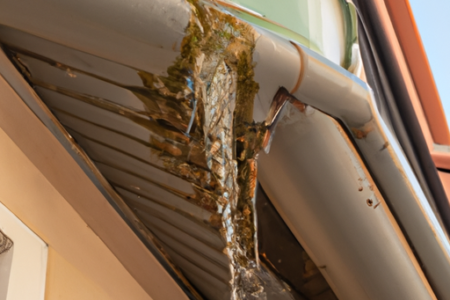
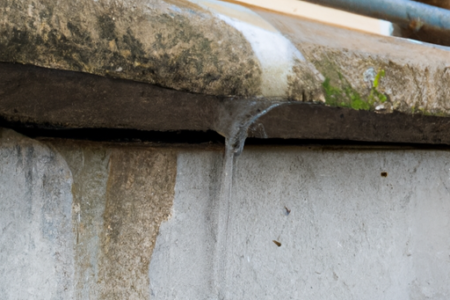
Mold growth, and erosion. To ensure the effectiveness of your gutter system, it’s important to implement proven techniques for designing and installing gutters. This includes considering factors such as the slope and size of the gutters, the number and placement of downspouts, and the use of gutter covers or screens to prevent debris buildup. Additionally, proper maintenance and regular inspections are crucial for keeping your gutter system in optimal condition. By following these expert techniques, you can create a functional gutter system that effectively protects your home and saves you from costly water damage repairs.

Gutter System Design: Strategies for Preventing Water Damage and Ensuring Longevity.

preventing overflowing and water spillage. It is important to accurately assess the amount of rainfall in the area and choose gutters and downspouts with the appropriate size and capacity. Additionally, the placement and slope of the gutters play a crucial role in their effectiveness. Proper positioning allows for easy water flow towards downspouts and away from the building, while sufficient slope prevents water pooling and debris accumulation. Investing in high-quality materials, such as durable metals or PVC, is also important for the longevity of the gutter system as it resists rust, corrosion, and extreme weather conditions. Regular maintenance and cleaning, including removing debris, is equally crucial to ensure the proper functioning of the gutter system. By implementing these strategies, property owners can effectively prevent water damage and maintain the longevity of their gutters.

Commercial Roofing Maintenance 101: Essential Tips for Long-Term Success

shingles, at least twice a year and after severe weather events. Clear Debris: Regularly clear any debris such as leaves, branches, or dirt that may accumulate on the roof to prevent drainage issues and potential damage. Clean Gutters and Drains: Clogged gutters and drains can lead to water pooling on the roof, causing leaks and structural damage. Regularly clean and maintain gutters and drains to ensure proper water drainage. Trim Surrounding Trees: Overhanging branches can scrape or damage the roof during storms or strong winds. Trim any overgrown branches to prevent them from causing harm to the roof. By following these essential tips, businesses can ensure the longevity and efficiency of their commercial roofing, protecting their investment and creating a safe environment for all.

The Pros and Cons of Flat Roofing: What You Need to Know

it’s important to also be aware of the disadvantages associated with flat roofing. This article provides a comprehensive overview of the pros and cons of flat roofing. Some of the advantages highlighted include easy installation and accessibility, the potential for extra usable space, and cost-effectiveness. On the other hand, the article also discusses the limitations of flat roofing, such as limited drainage capabilities, vulnerability to leaks, and a potentially shorter lifespan. By understanding these factors, readers can make an informed decision about whether flat roofing is the right choice for their needs.

DIY Gutter Repair: Tips and Tricks for the Handy Homeowner

In the article „Common Gutter Problems and How to Fix Them Yourself,” the author discusses the most common gutter problems and offers DIY solutions for homeowners. The article covers issues such as clogging, leaks, improper slope, and overflow, providing step-by-step instructions on how to fix each problem. The author also emphasizes the importance of knowing one’s limitations and seeking professional help when necessary. By understanding these common gutter problems and following the proper repair techniques, homeowners can save money and prevent further damage to their homes. Regular gutter maintenance is also highlighted as a crucial step in preventing future issues.

Cleaning Your Workspace for Productivity: Creating a Clean and Organized Office Environment

in their designated places and maximize space utilization.

2. Establish a filing system: Implement a filing system that works for you. Categorize and label documents and folders to make it easier to find and access important information quickly. This will help reduce time wasted searching for misplaced documents and increase productivity.

3. Regularly clean and disinfect: Create a cleaning routine to regularly sanitize your workspace. Wipe down surfaces, keyboards, and phones to prevent the spread of germs and maintain a hygienic environment. A clean workspace not only promotes good health but also contributes to a positive mindset.

4. Utilize digital tools: Embrace technology to reduce paper clutter and streamline your workflow. Use digital files, cloud storage, and productivity apps to manage and store documents, collaborate with colleagues, and stay organized.

By implementing these practical tips, you can create a clean and organized workspace that promotes productivity and enhances your overall work experience. Remember, a clutter-free and well-organized environment allows for better focus, efficient task completion, and a more enjoyable work environment.

– The Connection Between a Clean Workspace and Mental Well-being

Having a clean and organized workspace goes beyond just physical benefits; it also has a significant impact on your mental well-being. A cluttered and messy workspace can create feelings of overwhelm, stress, and anxiety, making it difficult to focus and be productive. On the other hand, a clean and organized workspace can provide a sense of calmness, control, and motivation.

Studies have shown that a neat and tidy environment can reduce cortisol levels, the hormone associated with stress, and increase the production of serotonin, the hormone responsible for happiness and well-being. By eliminating clutter and keeping your workspace clean, you create a more peaceful and positive atmosphere that allows for better concentration and creativity.

In addition, an organized workspace helps reduce decision fatigue. When your desk is cluttered with multiple tasks and unfinished projects, it can be overwhelming and mentally draining. By decluttering your workspace and implementing organizational systems, you reduce the mental load and free up cognitive resources to focus on the task at hand.

Furthermore, a clean workspace promotes a sense of professionalism and pride. When clients or colleagues visit your office, a clutter-free and tidy environment conveys a positive impression and builds trust and credibility. Additionally, an organized workspace helps you stay on top of deadlines, appointments, and important tasks, which can reduce stress and enhance productivity.

To maintain a clean and organized workspace and improve your mental well-being, incorporate cleaning and decluttering into your daily routine. Set aside a few minutes each day to tidy up your desk, put away items, and organize your workspace. Prioritize tasks and create a schedule to manage your workload effectively and avoid feeling overwhelmed. By making these small efforts, you create a harmonious connection between your physical and mental space, leading to improved focus, creativity, and overall well-being.

– How to Encourage Cleanliness and Organization in the Office

Creating a clean and organized office environment requires not only individual efforts but also a collective commitment from everyone in the workplace. Promoting cleanliness and organization in the office can lead to improved productivity, reduced stress, and a more positive work culture. Here are some strategies to encourage cleanliness and organization in the office:

1. Lead by example: Practice what you preach and maintain a clean and organized workspace yourself. When others see your commitment to cleanliness and organization, they are more likely to follow suit.

2. Establish clear expectations: Set clear guidelines and expectations for cleanliness and organization in the office. Communicate the importance of maintaining a clean workspace and establish protocols for cleaning and organizing shared spaces.

3. Provide necessary resources: Ensure that the office is equipped with the necessary resources for maintaining cleanliness and organization. This includes cleaning supplies, storage solutions, and labeling tools.

4. Conduct regular clean-ups: Schedule regular clean-up days or initiatives where employees come together to declutter and organize the office. This can foster a sense of teamwork, accountability, and shared responsibility.

5. Offer training and education: Provide training and educational materials on effective cleaning and organization techniques. This can help employees develop the necessary skills and knowledge to maintain a clean and organized workspace.

6. Recognize and reward cleanliness: Implement a recognition or reward system to acknowledge employees who consistently maintain a clean and organized workspace. This can encourage and motivate others to follow suit.

By incorporating these strategies, you can create a workplace culture that prioritizes cleanliness and organization. A clean and organized office not only enhances productivity but also fosters a positive work environment, boosts employee morale, and promotes overall well-being.